Your Proven Construction Professional for Excellent Dwelling Enhancements
A reliable construction expert serves an essential part in home improvement projects. Their expertise guarantees projects are completed with precision and attention. By prioritizing premium supplies and craftsmanship, they improve both aesthetics and value. Clear dialogue and thorough preparation are critical for a seamless experience. However, many property owners overlook key factors when selecting a contractor. Recognizing what to prioritize can make a significant impact in attaining a completed project. What should residents think about first?
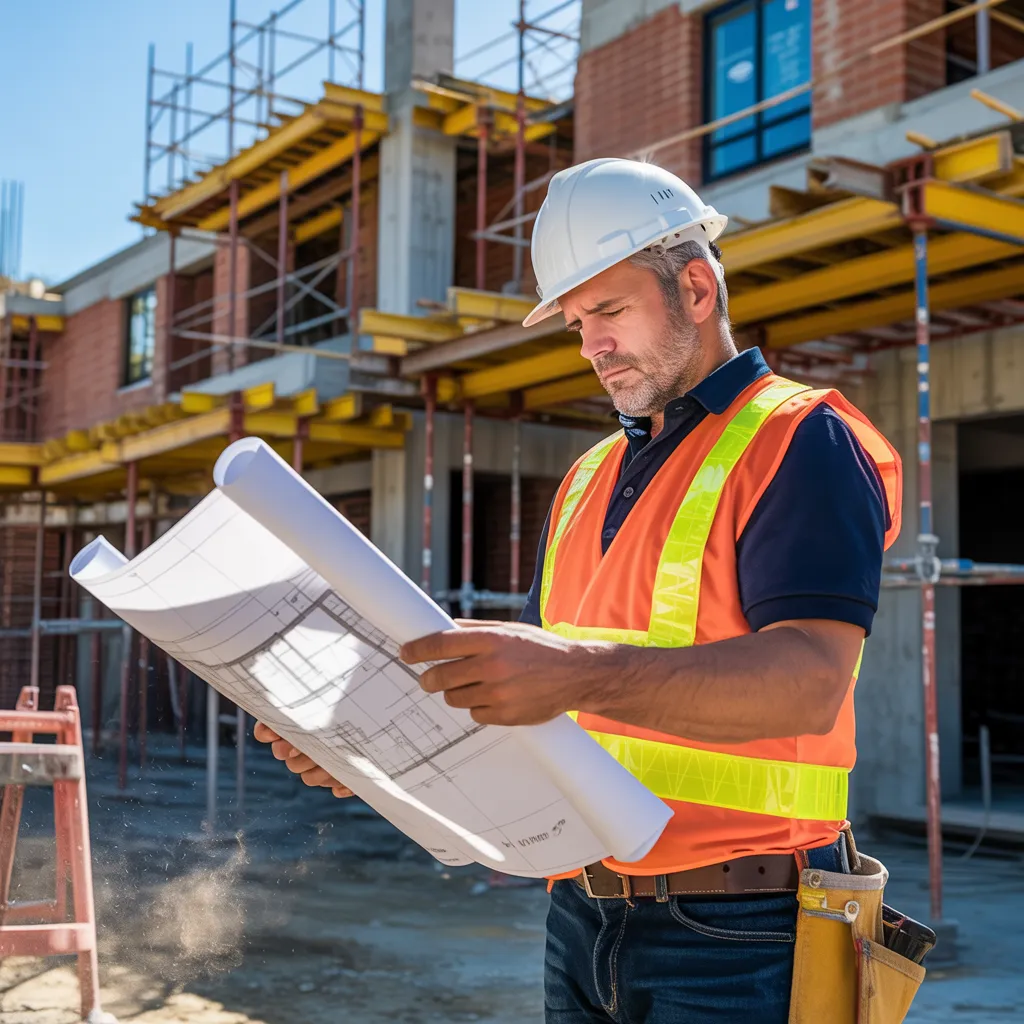
Tips for Identify a Solid General Contractor
When beginning a home renovation undertaking, how can one ensure they select a trustworthy general contractor? First, individuals should request suggestions from friends, family, or online reviews to find potential candidates. It is essential to verify credentials, including licenses and insurance, ensuring the contractor meets local regulations. Next, reviewing past work through project galleries or client testimonials offers insights into the contractor's craftsmanship and reliability.
Moreover, assembling multiple bids can enable you to evaluate market rates and project timelines. Interpersonal proficiency are critical; a contractor must be receptive and attentive to requests for information. In addition, a solid contract detailing project specifications, timeframes, and payment procedures protects both parties. At the end of the day, follow your gut; if a contractor seems amateurish or uncertain, it may signal later complications. By following these guidelines, homeowners can markedly enhance their likelihood of hiring a dependable general contractor, leading to successful home improvement projects.
Why Choosing a Local General Contractor Makes Your Best Decision
Choosing a nearby general contractor can significantly improve the outcome of home improvement projects. Local contractors have essential expertise of the region, such as construction codes, rules, and zoning ordinances, guaranteeing compliance and productivity. Their established relationships with vendors and subcontractors can result in improved rates and timely access to materials and skilled labor.
Furthermore, local additional resource contractors often have a standing to maintain within the community, motivating them to deliver superior craftsmanship. This sense of accountability builds confidence and trust among homeowners.
Furthermore, being in close proximity encourages better interaction and quicker response, which can be essential during a project. Homeowners can also collect recommendations from neighbors or friends who have had past dealings with the contractor, providing peace of mind. Overall, choosing a local general contractor not only reinforces the community but also enhances the overall quality and experience of home improvement projects.
A Comprehensive Manual for Your Residential Upgrade Experience
Undertaking a home improvement project calls for careful organization and implementation. Establishing a work timeline is vital to ensure that tasks are completed in a timely fashion, while opting for quality materials can greatly influence the project result. This resource will present these important stages to support homeowners manage their improvement process with great success.
Planning Your Work Timeline
A structured project timeline is critical for successful home improvements, ensuring all phases are carried out efficiently. First, homeowners should outline the project's scope, including clear goals and desired outcomes. Then, they need to collaborate with their general contractor to set a feasible timeline based on the project's complexity and required tasks. Breaking down the project into smaller phases enables better monitoring and adjustments as necessary. It's also key to consider potential delays such as weather or supply chain issues, which might affect the schedule. Regular check-ins with the contractor help maintain progress. In the end, a clear timeline supports communication and defines expectations, leading to a better home improvement process.
Picking Premium Resources
Focusing on excellent materials greatly determines the end result of home improvement endeavors. Initially, homeowners should identify the particular requirements of their endeavor, considering elements including durability, aesthetics, and financial plan. Exploring various product options is vital; this means understanding the benefits and drawbacks of each. Engaging with consultants can furnish valuable guidance on reliable makers and sources.
Next, homeowners should ask for samples to evaluate the look and feel of materials in person. Contrasting prices across various suppliers can help ensure affordable rates without sacrificing quality. Finally, confirming that materials meet local building codes is essential for safety and compliance. By carefully choosing materials, homeowners can enhance both the lifespan and visual appeal of their renovations, finally increasing the worth to their property.
Articulate Your Vision Like a Pro
Successful home enhancements often depend on the ability to express a precise vision. Homeowners should convey their ideas, inclinations, and anticipations, ensuring that they express their desires proficiently to their general contractor. A well-defined vision not only helps in aligning the contractor's proposals with the homeowner's aims but also streamlines the selection process.
Visual tools like drawings and inspiration boards can greatly enhance dialogue. They provide a concrete visual that illustrates aesthetic choices, palettes, and spatial arrangements. Furthermore, engaging in open dialogue fosters collaboration, allowing the contractor to ask clarifying questions and share expertise.
Setting achievable deadlines and cost estimates is equally vital. Residents should make an effort to address constraints transparently to sidestep misunderstandings later. Ultimately, expressing a objective with clarity and confidence empowers both parties, laying the way for successful project completion and satisfying results in property enhancement undertakings.
The Worth of Premium Materials and Craftsmanship
In residential renovations, the choice of durable materials greatly impacts the longevity and performance of a project. Just as crucial is the role of expert workmanship, which ensures that these materials are used properly. Together, premium materials and skilled craftsmanship create results that endure through the years.
Long-lasting Material Options
A well-considered variety of durable materials can substantially shape the longevity and aesthetics of home improvements. Quality materials not only elevate the look of a space but also confirm that renovations survive the test of time. Homeowners should emphasize materials with demonstrated longevity, such as hardwood, stone, and high-grade metals, which defend against wear and tear and environmental damage. Additionally, opting for materials appropriate for the local climate can eliminate issues like rot or corrosion. Committing funds in sturdy options may require a higher upfront cost, but the long-term benefits—fewer repairs and replacements—make it a smart choice. Ultimately, the right materials contribute to a home's value and overall satisfaction for years to come.
Skilled Workmanship: Its Value
Quality skilled labor plays an critical role in the positive outcome of residential renovations, complementing the picking of long-lasting materials. Professional craftspeople assure that every facet of a project is executed with care, boosting both practical use and visual design. Detailed focus in building work, from framing to finishing touches, plays a major role to the longevity and performance of home features. Quality skilled labor not only indicates a commitment to excellence but also safeguards against future issues, such as foundational defects or design imperfections. Additionally, seasoned builders know the nuances of various materials, confirming they are employed effectively. Ultimately, paying for skilled skilled labor leads to a more satisfying and enduring result, elevating the overall value of the home and the resident's enjoyment.
Routine Overhaul Oversights and How to Avert Them
Many homeowners face pitfalls during remodeling that can result in expensive setbacks and disappointment. One frequent error is undervaluing the costs. Without a comprehensive budget outline, unexpected expenses can quickly emerge, compromising the undertaking. Additionally, neglecting to obtain necessary permits can result in fines and work stoppages, hindering the remodeling process.
Hurrying the decision-making process is another common mistake. Quick choices concerning design and layout can result in disappointment in the future. Property owners frequently overlook the significance of engaging skilled experts, which can undermine the quality of work and safety standards.
Ultimately, inadequate communication with contractors may lead to misunderstandings and unfulfilled desires. To circumvent these problems, homeowners should stress meticulous preparation, obtain the required permits, engage competent contractors, and establish transparent dialogue throughout the remodeling project. By correcting these routine errors, homeowners can deliver a more efficient and gratifying renovation journey.
How to Pick the Appropriate Materials for Your Remodel?
How can property owners guarantee they choose appropriate products for their remodeling work? To start, they should evaluate the particular requirements of the space, taking into account factors such as functionality, aesthetics, and durability. Researching different options is essential; homeowners should compare options based on their appropriateness for the intended use and local climate conditions.
Engaging a dependable construction specialist can deliver valuable insights into material choices, confirming choices fit both budget and design goals. In addition, residents should emphasize green practices by researching sustainable alternatives that lessen environmental impact.
At last, evaluating samples can help in choosing appropriately, permitting homeowners to see how materials will appear and respond in their space. By completing these steps, homeowners can confidently choose products that enhance their renovation while ensuring quality and longevity.
Frequently Asked Questions
How Should I Validate a Contractor Licenses and Protection?
To verify a contractor's credentials and coverage, one can review state licensing boards and insurers. Additionally, asking for copies of licenses and insurance certificates straight from the contractor confirms authenticity and compliance with regulations.
What Reflects the Typical Schedule Needed for Home Improvement Projects?
The common timeline for house renovation initiatives fluctuates, often spanning from a few weeks to several months, relying on how complex the project is, magnitude, and required permits. Consultation with the construction firm can help create a more reliable schedule.
Can I live in My Home During Renovations?
Yes, one can live in a home during remodeling, though it often depends upon the project's extent. Minor renovations may permit continued occupancy, while major work might necessitate temporary relocation for safety and well-being.
What Payment Methods Are Usually Accepted by Contractors?
Contractors typically accept a variety of payment methods, such as cash, checks, credit cards, and digital payment platforms. Some may also provide financing solutions, enabling clients flexibility in managing renovation costs and payment schedules.
How Do I Manage Conflicts With My Building Professional?
To work out conflicts with a contractor, one should engage in clear dialogue, track all interactions, and strive for agreement through talks. If not resolved, neutral arbitration or litigation may be important to copyright one's interests well.